Wishlist

How to Plan a Multi-Day Fastpacking Adventure Without Overpacking
Multi-day fastpacking combines the speed of trail running with the self-sufficiency of backpacking. The goal is to cover longer distances with a lightweight pack while staying safe and comfortable. Success comes down to careful planning rather than carrying everything you might need.
Packing too much slows you down, drains energy, and can make every climb feel harder. With the right approach, you can carry less while still being prepared for changing conditions.
Start With a Clear Plan
Every successful multi day fastpacking trip begins long before you step onto the trail. Study your route, expected weather, water sources, campsite options, and emergency exit points. The better you understand your environment, the easier it becomes to decide what is truly essential.
A systematic review on hiking and trekking preparation found that proper planning and appropriate equipment selection play a major role in reducing risk and improving outdoor safety. Rather than packing for every possible scenario, the review recommends matching your equipment to the specific conditions you expect to encounter.

Build Your Kit Around Necessity
One of the biggest mistakes beginners make is packing "just in case" items that never leave the backpack. Every extra gram adds up over several days, especially on steep climbs.
Choose lightweight shelter, sleep systems, cooking gear, and clothing that serve multiple purposes whenever possible. Your fastpacking gear should be selected because it solves a real problem, not because it might be useful someday.
Andrew Skurka, an acclaimed long-distance adventurer who has completed more than 30,000 miles of wilderness travel and authored The Ultimate Hiker's Gear Guide, offers simple advice: "Assess your true needs."
His philosophy encourages hikers to understand the conditions they will actually face instead of preparing for unlikely situations.
Pack Food With Precision
Food is often the heaviest item after water. Estimate your calorie needs based on daily distance, elevation gain, and expected pace. Focus on calorie-dense foods such as nuts, nut butter, dehydrated meals, tortillas, and energy bars.
Avoid carrying several "backup meals." Instead, build a realistic meal plan that includes enough nutrition without unnecessary extras. This strategy keeps your pack lighter while maintaining energy throughout the journey.

Be Smart About Water
Water management is just as important as food planning. Research reliable water sources along your route before leaving home and carry only what you need between refill points.
A lightweight water filter or purification tablets usually weigh far less than carrying several litres of water all day. Knowing where to refill allows you to move efficiently without sacrificing safety.
Wear, Test, Then Trust Your Equipment
Never take brand-new equipment on a multi-day adventure without testing it first. Complete several shorter trips to make sure your shoes, backpack, shelter, and sleep system all work together comfortably.
Many experienced fastpackers gradually refine their equipment over time. Small adjustments after each trip often save more weight than buying expensive ultralight gear all at once.
Choose the Right Route
Your first adventure does not need to be the most challenging one available. Selecting suitable fastpacking routes allows you to build confidence while learning how your body responds to carrying a light pack over consecutive days.
Look for trails with dependable water sources, clear navigation, and regular exit options. As your skills improve, you can gradually increase distance and technical difficulty.

Learn From the Best
Kilian Jornet is widely regarded as one of the world's greatest trail runners and ski mountaineers, holding numerous speed records on major mountain routes. His approach to mountain travel focuses on simplicity and efficiency rather than excess.
As Jornet writes: "Perhaps I run because I need to feel creative."
While the quote reflects his personal motivation, his career demonstrates that moving efficiently through the mountains depends on preparation, experience, and carrying only what supports your objective.
Your Pack Should Work for You, Not Against You
The best fastpacking backpack is not necessarily the one with the most features. It is the one that fits well, carries comfortably, and holds only what you genuinely need.
After every trip, empty your pack and review each item. Ask yourself whether you used it, whether a lighter alternative exists, or whether you could leave it behind next time. Over several adventures, these small improvements create a kit that is lighter, more efficient, and perfectly suited to your style of travel.
Thoughtful planning will always outperform overpacking. When every item has a purpose, you'll move faster, conserve energy, and enjoy the freedom that makes multi-day fastpacking such a rewarding adventure.
About the Author
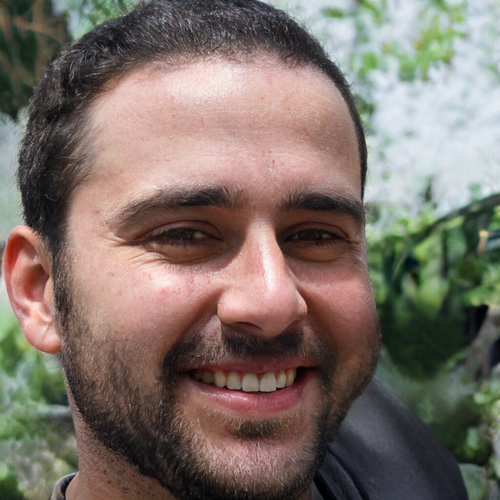
Cody Martinez
Cody is a burgeoning freelance writer based in the Pacific Northwest, originally hailing from New Mexico. After years navigating the corporate world, he took a leap of faith to pursue his passion for outdoor adventures and storytelling. Drawing from his diverse heritage and experiences, Cody explores the beauty of nature and shares insights on outdoor gear, travel, and sustainability.